First Year / FY-001
Ten Photographs to Take in a Rental Before You Move a Single Box
The deposit doesn’t turn on an argument. It turns on whoever has the better record. Ten photographs, taken in the first hours in a rental, before a single box comes in, are what that record is. The tenth one isn’t a photograph of the apartment at all.
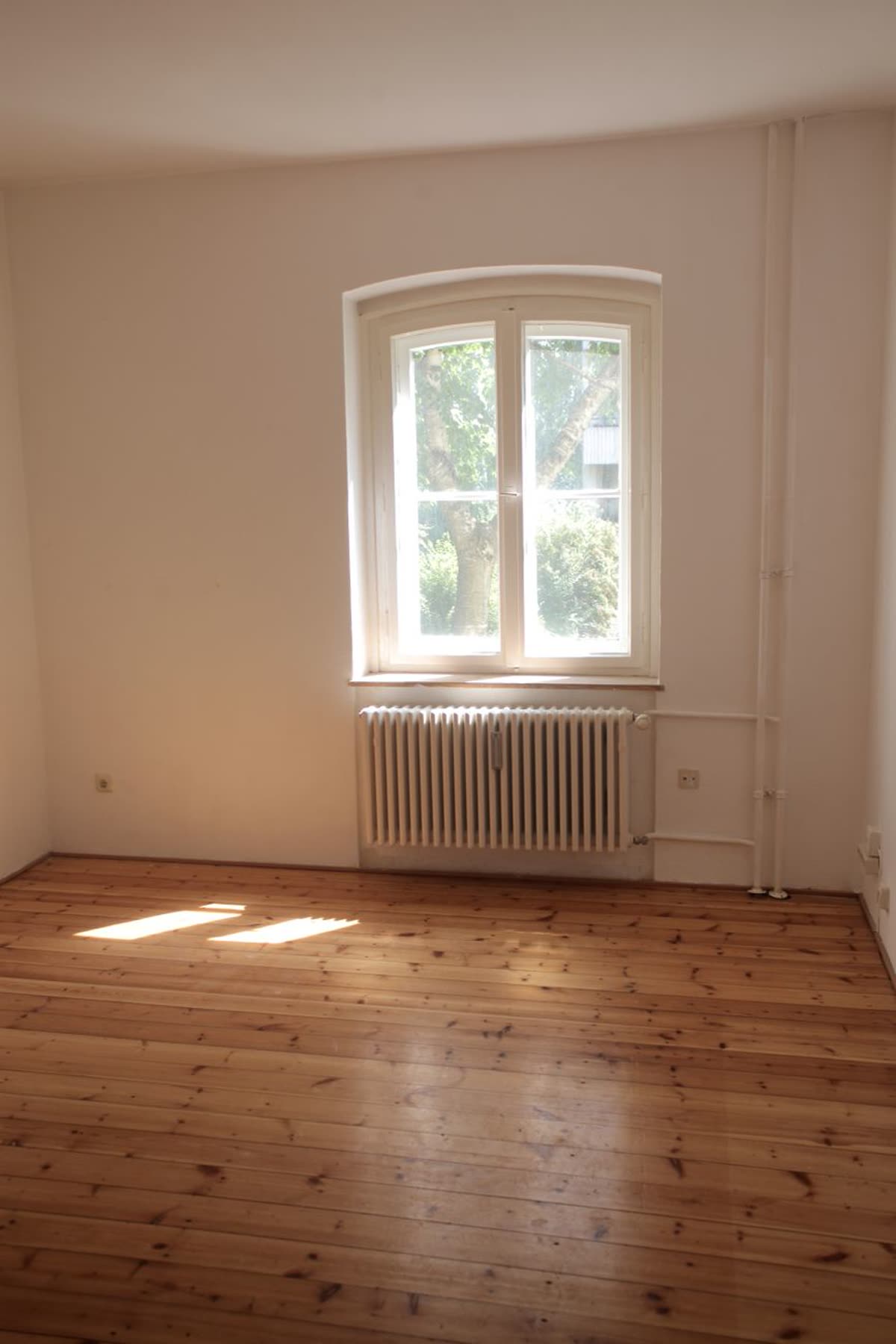
There is a window, usually a few hours long, when a rental is still exactly as it was handed over. Nothing has been carried in, nothing has been hung, nothing has been plugged in yet. Ten photographs taken inside that window are what a security deposit deduction gets argued from months later, not memory, not a text message, a dated photograph. The tenth photograph in that set isn’t of the apartment at all. It’s of a signed piece of paper, and the email that proves when it was signed.
The window before the boxes arrive
The window matters because it closes quietly. The first box scuffs a baseboard, the first lamp goes into the first outlet, and from then on every mark in the place is a question rather than a fact. A year later, when a deduction appears on a statement, it is two sides remembering a day neither of them wrote down. Ten minutes of photographs is the whole answer to that, and the ten minutes have to happen before the move, not during it.
The ten photographs, in order
Work the place room by room with the lights on, standing far enough back that a wall reads as a wall. The order below is the order that keeps you from circling back.
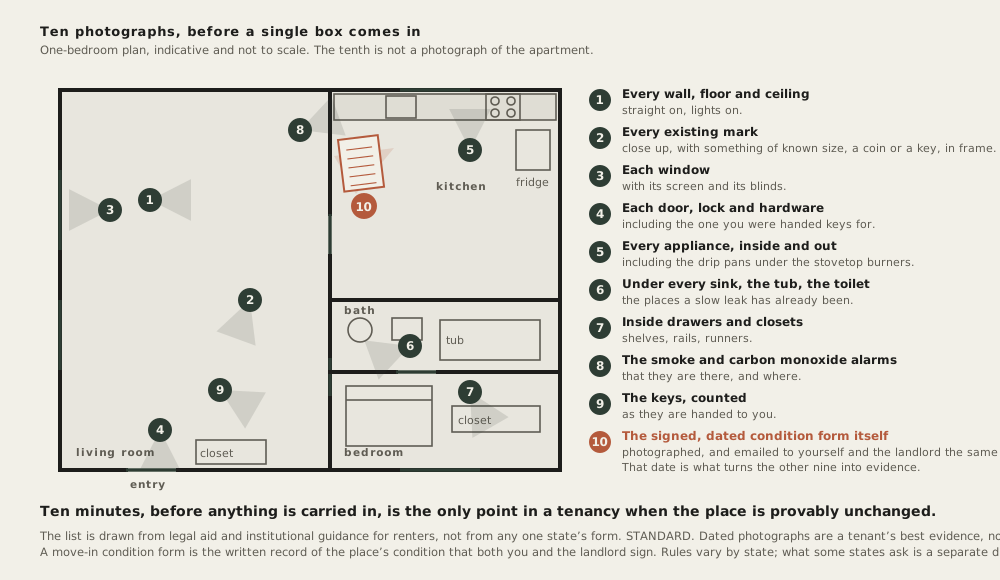
- 1. Every wall, floor and ceiling, straight on. Lights on, square to the surface.
- 2. Every existing mark, close up. Scuffs, dents, stains, burns, chips in a worktop.
- 3. Each window, with its screen and its blinds. Both are their own line on a deduction statement.
- 4. Each door, lock and piece of hardware. Including anything that already doesn’t latch.
- 5. Every appliance, inside and out. Oven racks and door seal, fridge shelves, and the drip pans lifted out from under the burners.
- 6. Under every sink, the tub and the toilet. Where a slow leak has already been.
- 7. Inside drawers and closets. Shelves, rails, runners.
- 8. The smoke and carbon monoxide alarms. That they are there, and where.
- 9. The keys, counted, as they are handed to you.
- 10. The signed, dated condition form itself. The one document that turns the other nine into a record with a date on it.
The list is not a state’s form. It comes from legal aid and institutional guidance written for renters: Washington Law Help tells tenants to take detailed photos and videos of the place before moving in, inside and out, and the University of Iowa’s student legal services checklist records floors, walls and ceilings, doors and locks, windows and screens, closets and drawers and each appliance, room by room. HUD’s sample inspection form lists the same categories, used here as a picture of what gets recorded rather than as a rule for a private rental.
One way to make a small mark legible later
A close-up of a scuff has no scale on its own. Six months later nobody can tell from the photograph whether the mark is the size of a coin or the size of a hand, which is exactly what will be in dispute. Putting something of known size in the frame fixes it: a coin, a key, a tape measure. That is a Tenonfold recommendation rather than anything a statute asks for, and it costs nothing while you are already standing there.
What a move-in condition form actually is, and why it has a deadline
A move-in condition form, sometimes called an inventory checklist or a statement of condition, is the written record of the place’s condition that both landlord and tenant sign at the start of the tenancy. It does a different job from your photographs: the form is what the two of you agreed to in writing, and the photographs are what you can show you actually saw, dated. Neither alone is as strong as both. And in several states the form carries a clock of its own, separate from the deposit’s, because silence past the deadline starts to read as agreement.
Six states, six examples
These are examples, checked on 6 October 2026, not a complete list and not a national rule. Each one names its state on purpose.
- Washington. No deposit may be collected at all unless the agreement is in writing and a written checklist describing the condition of the premises is provided at the start of the tenancy, signed and dated by both parties.
- Massachusetts. The landlord’s statement of condition is due on receipt of the deposit or within ten days of the tenancy starting, whichever is later, and the tenant has fifteen days to return it with a signed list of any damage. The statute’s own notice language warns that a missed deadline can later be read as agreement.
- Michigan. The landlord furnishes two blank copies of a commencement inventory checklist; the tenant notes the condition and returns it within seven days of taking possession.
- Arizona. On move-in the landlord furnishes a signed lease, a move-in form for existing damage, and written notice that the tenant may attend the move-out inspection. Deductions are itemised within fourteen business days of the tenancy ending.
- New York. Before occupancy the landlord has to offer a joint inspection, and both parties sign a written agreement noting existing defects. The deposit and an itemised statement are due within fourteen days of vacating.
- California. For tenancies beginning on or after 1 July 2025, the landlord photographs the unit at the start of the tenancy, photographs it again after move-out, and provides those photographs with any deduction statement, within 21 days.
Georgia was looked at and left out: its current statute could not be read directly, and a half-read statute is not an example.
Email it the same day
A photograph only works as evidence if it is dated, and a photo file loses its reliable date almost immediately once it has been texted, re-saved or screenshotted around. An email keeps it. Legal Aid Services of Oregon’s renter’s handbook names the method plainly: take the photographs, make sure they are dated, and email them to yourself right after taking them.
Take the ten photographs, attach them, send them to yourself and to the landlord, and do it before the day is out.
Sending a copy to the landlord does something a private archive cannot. It puts the record in front of the other side at the one moment when nobody has any reason to dispute it.
What this doesn’t replace
Dated photographs are a tenant’s best evidence. They are not proof, and nothing here is legal advice. What they do is move the argument off memory: a deduction that arrives a year later is answerable with a file rather than a recollection.
Most deposits come back without any of this ever being needed. But the ten minutes it takes to take these photographs is the only point in a tenancy where the place is provably unchanged, and the signed condition form, the written record of the place’s condition that both sides sign, is the one document that turns a memory into a date. Rules vary by state; the six examples above were checked on 2026-10-06, and your state’s own site or a local legal aid office is where to confirm the ones that apply to your lease.
If you’d rather keep pulling this thread
A measurement is not a location
Why a number written down without where it was taken from is worth almost nothing later.
The Fold
Every story published so far, in one index.
References
The state rules, each read on its own government site on 6 October 2026. Washington: RCW 59.18.260, with the City of Seattle’s Renting in Seattle guidance on what the checklist should describe. Massachusetts: General Laws c.186 §15B(2)(c). Michigan: MCL 554.608, plus the Legislature’s own Practical Guide for Tenants and Landlords. Arizona: ARS 33-1321(C) and (D). New York: General Obligations Law §7-108(1-a), plus the Attorney General’s Tenants’ Rights Guide.
California, Civil Code §1950.5(g) and (h) as amended by AB 2801, read on the public.law mirror because the official leginfo.legislature.ca.gov page refused every automated read attempted. Confidence is high on the content and medium-high on the read path; if you are relying on it, open the official page in a browser and check it against the mirror.
The photograph list: Northwest Justice Project, Washington Law Help on deposits and damages; University of Iowa Student Legal Services, Condition of Rental Property Checklist; U.S. Department of Housing and Urban Development, Occupancy Handbook 4350.3 REV-1, Appendix 5, used for its category list only.
Dating the photographs: Legal Aid Services of Oregon, Renter’s Handbook on Security Deposits, page 4; University of Connecticut, Moving In and Out.
Nothing on this page is legal advice. Every state line above is written as an example and names its state; the rules where you live may differ, and a local legal aid office is the place to confirm them.